Traditional Dutch Dishes: A Sweet Journey Through Milk, Flour & Sugar Delights
When one envisions an
Oud Hollands Gerecht Van Melk En Bloem En Suiker, a wave of nostalgia often washes over. These traditional Dutch dishes, steeped in history and simplicity, are more than just food; they are comforting embraces from the past, woven into the fabric of Dutch culinary heritage. From hearty porridges to delicate mini-pancakes, the combination of these three fundamental ingredients – milk, flour, and sugar – has yielded a delectable array of treats that continue to charm palates across generations. These humble staples, readily available and affordable for centuries, formed the bedrock of many daily meals and special occasion feasts, offering warmth, sustenance, and a touch of sweetness during simpler times. In this article, we delve into the world of these iconic Dutch delights, exploring their history, preparation, and enduring appeal.
Pap: The Quintessential Dutch Comfort Porridge
The concept of "pap" is arguably the most fundamental
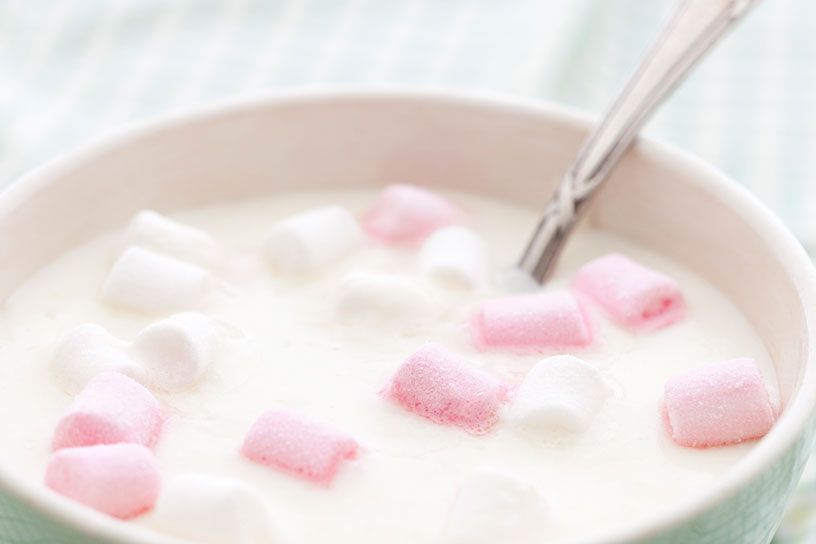
Oud Hollands Gerecht Van Melk En Bloem En Suiker. Essentially a porridge, pap has been a staple in Dutch households for centuries, serving as a nourishing meal for all ages. Its versatility allowed for numerous variations, adapting to available ingredients and regional preferences.
The most traditional form,
Oud Hollands Pap: The Comforting Milk, Flour, Sugar Dish, often involved grains. For instance, "gortepap" was made from gerst (barley or pearl barley), cooked slowly in milk until it reached a creamy, comforting consistency. Another beloved variant is "rijstpap" (rice pudding), where rice takes center stage, similarly simmered in milk and sweetened. However, a simpler, flour-based pap was also common, especially when grains were scarce or for very young children. This basic pap, often referred to as "lamspap" or simply flour pap, epitomized the ease and affordability of Dutch cuisine.
Its inherent mildness, often described as a 'simple' or 'weak' taste, made it ideal for children or those needing easily digestible nourishment, a gentle successor to mother's milk. While it might seem bland by modern standards, its purity and nourishing qualities were highly valued. Today, pap has transitioned from an everyday necessity to a cherished comfort food, evoking memories of grandmothers' kitchens and simpler times. It's often enjoyed as a nostalgic treat, especially during colder months.
A Simple Flour Pap Recipe:
To recreate this basic yet profound dish, you'll need:
- 1 liter (approx. 4 cups) milk
- 100 grams (approx. ¾ cup) all-purpose flour
- 100 grams (approx. ½ cup) sugar (basterdsuiker, or light brown sugar, is traditional)
- A pinch of salt
- Optional: butter, cinnamon, or a drizzle of honey for serving
Instructions:
- In a small bowl, whisk the flour with about 150ml (⅔ cup) of the milk until you have a smooth, lump-free paste.
- In a medium saucepan, bring the remaining milk and a pinch of salt gently to a simmer over medium heat.
- Once the milk is warm and just beginning to bubble, gradually pour in the flour paste while continuously stirring with a whisk. This prevents lumps.
- Reduce the heat to low and continue to cook the pap for about 5 minutes, stirring constantly to prevent it from sticking to the bottom of the pan and burning. It should thicken to a creamy consistency.
- Serve the pap warm, generously topped with sugar, or for an extra layer of comfort, a dollop of butter, a sprinkle of cinnamon, or a drizzle of honey.
Tip: For a richer flavour, you can substitute some of the milk with cream, or add a vanilla bean during cooking.
Poffertjes: Beloved Mini Pancakes with a Rich History
Another delightful example of an
Oud Hollands Gerecht Van Melk En Bloem En Suiker comes in miniature form: Poffertjes. These small, fluffy pancakes are an iconic part of Dutch culture, beloved by children and adults alike. While often enjoyed at outdoor markets and fairs, they also hold a special place in traditional Dutch home celebrations, particularly on Christmas Eve.
Unlike their larger pancake cousins, poffertjes owe their unique texture to yeast, which gives them a distinct airy lightness. The batter, a simple concoction of milk, flour, eggs, sugar, and yeast, is poured into a special cast-iron "poffertjespan" with numerous indentations, creating their characteristic round shape and golden-brown crust.
Discover Poffertjes: Classic Dutch Mini Pancakes Recipe is more than just a dish; it's an experience, often served sizzling hot from the pan.
Traditionally, poffertjes are served dusted generously with powdered sugar and often accompanied by a dollop of butter that melts into their warm, inviting surface. A drizzle of stroop (Dutch syrup) or a spoonful of whipped cream can elevate this simple pleasure to an even greater indulgence.
Authentic Poffertjes Recipe:
To make approximately 40-50 poffertjes, you will need:
- 500 ml (approx. 2 cups) milk
- 250 grams (approx. 2 cups) all-purpose flour
- 2 eggs
- 20 grams (approx. 2 tbsp) fresh yeast (or 7g / 2¼ tsp active dry yeast)
- 1 teaspoon sugar
- A pinch of salt
- Butter or oil for greasing the poffertjes pan
- Powdered sugar, stroop, or whipped cream for serving
Instructions:
- Gently warm the milk until it is lukewarm (not hot, as this will kill the yeast).
- If using fresh yeast, crumble it into the lukewarm milk and stir until dissolved. If using active dry yeast, sprinkle it over the milk and let it sit for 5-10 minutes until foamy.
- In a large bowl, whisk together the sugar, salt, and eggs.
- Gradually add the flour to the egg mixture, alternating with the yeast-milk mixture, stirring until you have a smooth batter. It should be thick but pourable.
- Cover the bowl with a clean tea towel and let the batter rise in a warm place for about 30 minutes, or until it has noticeably increased in volume and is slightly bubbly.
- Heat your poffertjes pan over medium heat. Once hot, lightly grease each indentation with butter or oil.
- Pour a small amount of batter into each indentation (a squeeze bottle or piping bag can make this easier).
- Cook for approximately 1-2 minutes per side, or until golden brown and cooked through. Flip them gently with a small fork or skewer.
- Serve immediately, piled high and generously dusted with powdered sugar.
Tip: Maintaining consistent heat is key to perfectly cooked poffertjes. Don't overcrowd the pan, and ensure it's well-greased between batches to prevent sticking.
Beyond Pap and Poffertjes: The Versatility of Dutch Pancakes (Pannenkoeken)
While pap and poffertjes are distinct in their forms, the broader category of "Pannenkoeken" (Dutch pancakes) also perfectly encapsulates the essence of an
Oud Hollands Gerecht Van Melk En Bloem En Suiker. As hinted by crossword puzzles and general Dutch culinary knowledge, the pancake, in its full-sized glory, is a deeply ingrained traditional Dutch dish.
Dutch pancakes are notably different from their American counterparts. They are typically much thinner and larger, more akin to French crepes, often filling an entire dinner plate. The batter remains simple: milk, flour, eggs, and often a touch of sugar or salt. What truly sets them apart are the toppings, which can range from sweet to savory. While savory toppings like bacon and cheese are popular, the sweet variations are where the milk, flour, and sugar theme truly shines.
Common sweet toppings include "stroop" (a thick, dark apple syrup), powdered sugar, fresh fruit like apples or bananas (often cooked into the pancake), or even preserved fruits. The simplicity of the base pancake allows these toppings to be the star, creating a satisfying and versatile meal that can be enjoyed for breakfast, lunch, or dinner. Making pannenkoeken is a communal activity, often enjoyed with family, where everyone customizes their own delicious creation.
The Enduring Appeal of Simple Ingredients
The longevity and widespread affection for these traditional Dutch dishes – pap, poffertjes, and pannenkoeken – speak volumes about the power of simple ingredients. Milk, flour, and sugar, historically accessible and economical, provided the foundation for nourishing and comforting meals that sustained generations. These dishes embody the Dutch spirit of "gezelligheid" – a concept encompassing coziness, conviviality, and comfort.
They remind us that culinary excellence doesn't always require exotic ingredients or complex techniques. Sometimes, the most cherished meals are those that connect us to our roots, offering a taste of history and a warmth that transcends time. Whether it's the creamy silkiness of pap, the airy sweetness of poffertjes, or the delightful versatility of pannenkoeken, each dish represents a comforting piece of Dutch culinary heritage.
In a world increasingly seeking authenticity and wholesome goodness, these milk, flour, and sugar delights continue to hold their charm. They are a testament to the fact that with just a few basic components, one can create dishes that are not only delicious but also deeply meaningful and enduring.
A Sweet Conclusion to Dutch Culinary Traditions
Exploring the world of an
Oud Hollands Gerecht Van Melk En Bloem En Suiker reveals a rich tapestry of taste and tradition. From the simple, nourishing comfort of pap to the delightful indulgence of poffertjes and the versatile appeal of pannenkoeken, these dishes stand as proud pillars of Dutch cuisine. They are more than just recipes; they are stories passed down through generations, embodying the resourcefulness, warmth, and enduring sweetness of Dutch culture. We encourage you to try your hand at making these authentic Dutch treats and experience the comforting flavors that have charmed the Netherlands for centuries.